Loading Platform Construction and Material Handling Equipment for Safe, Efficient Lifting Operations
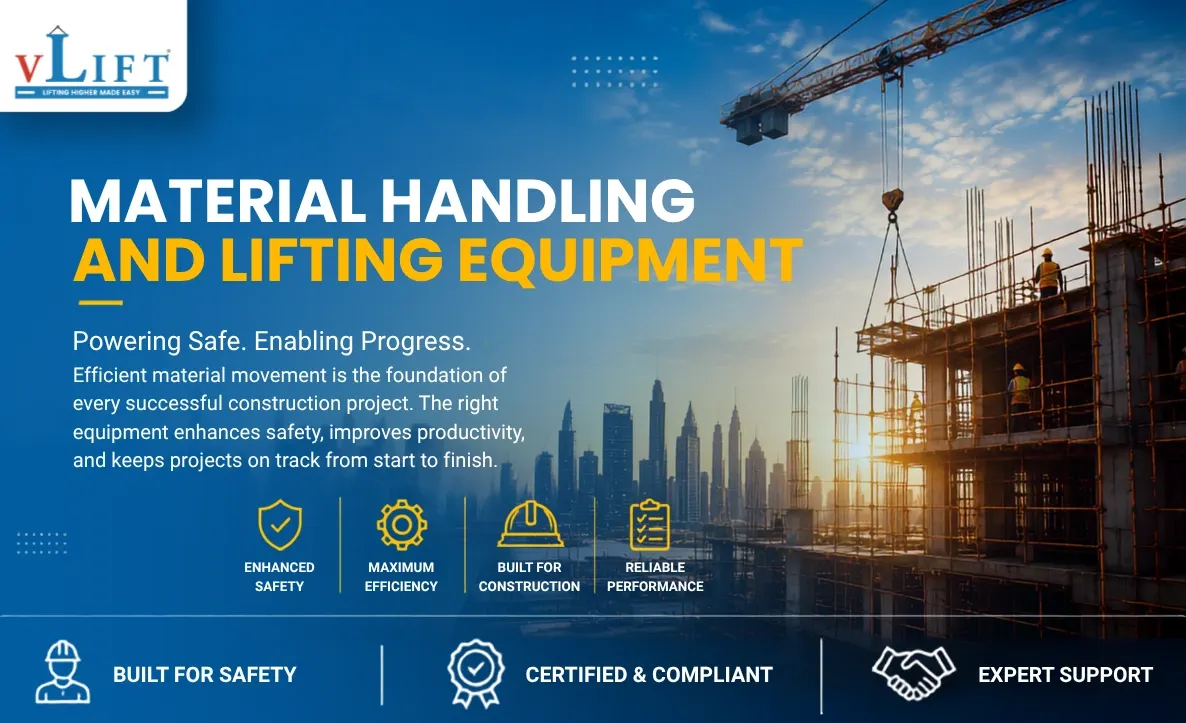
Building, industrial and infrastructure projects require reliable and efficient lifting systems for moving materials, equipment and personnel between various working heights. From high-rise developments to commercial building sites, suitable material handling equipment can help construction teams increase productivity while supporting organised lifting procedures. Equipment such as a concrete skip, material skip buckets, man basket, block grab, concrete bucket and brick cage can support different site activities where controlled lifting is required. At the same time, professional Loading platform construction provides a dedicated area where materials can be transferred between cranes and building floors. Selecting the appropriate lifting accessory depends on the load characteristics, weight, size, operating environment and intended use. Appropriate equipment selection, regular inspection and correct operating practices can support smoother material handling while allowing construction teams to maintain safer, more efficient workflows.
Understanding the Construction of Loading Platforms
Loading platform construction requires constructing a temporary or specially designed platform that facilitates the transfer of building materials at elevated working levels. These platforms are often employed on multi-storey building projects where cranes lift pallets, equipment and other materials from ground level to working floors. A suitably designed platform gives workers a functional receiving space, helping reduce challenges involved in transferring bulky loads through confined structural openings.
The design of a loading platform should take account of load expectations, platform dimensions, supporting structures, access requirements and working conditions. Rated load capacities must be properly understood so that workers do not apply excessive loads to the platform. Installation also depends on effective coordination with the building structure and lifting operations. Regular inspections are important because construction environments constantly evolve as projects progress.
The Importance of Material Handling Equipment
Reliable Material Handling Equipment solutions supports construction teams in moving large, awkward or bulk materials in a more efficient manner. Moving materials manually is frequently impractical when working with concrete, blocks, bricks, tools and other construction supplies. Purpose-built lifting equipment allow cranes and lifting systems to transport such materials in a controlled way.
Each type of lifting equipment serves a different purpose, which means one piece of lifting equipment may not be suitable for every task. Teams should evaluate the material characteristics, lifting height, load stability and discharge needs before choosing suitable equipment. Correct attachment to lifting machinery is also essential. Operators should adhere to established lifting procedures and ensure that equipment is inspected for wear, deformation or damage before use.
Using a Concrete Skip for Controlled Concrete Placement
A Concrete Skip is designed to transport and discharge concrete at construction sites where direct placement from mixing equipment is impractical. It can be lifted by a crane and placed above the intended pouring location, allowing concrete to be placed with greater control. This makes concrete skips useful for columns, walls, foundations and other structural works.
Selecting the correct capacity is important when selecting a Concrete Skip. The selected capacity should be compatible with crane capacity, project requirements and the quantity of concrete required during each lifting cycle. The discharge mechanism should function smoothly, while the body of the skip should withstand challenging site conditions. Consistent cleaning is necessary because hardened concrete can compromise capacity and operating performance.
Material Skip Buckets for Construction Sites
Material skip buckets provide an effective solution for transporting loose construction materials and site debris. Based on their configuration, they may be employed for sand, aggregates, waste and other materials that must be moved between different levels. Their durable construction makes them appropriate for challenging construction environments where frequent lifting cycles form part of everyday operations.
When selecting Material skip buckets, project teams should assess volume, rated capacity, lifting points and discharge arrangements. Loads should be kept within approved capacities, and materials should be evenly and appropriately distributed to maintain stability during lifting. Frequent checks of lifting points and structural elements can help reveal wear before it creates a more serious operating concern.
Man Basket and Personnel Lifting Man Baskets
A Man Basket is designed for controlled lifting of personnel in circumstances where appropriate procedures and approved equipment allow such operations. Lifting man baskets require particularly careful attention because personnel safety relies on the condition of the basket, lifting system and operating practices.
A suitable personnel basket generally incorporates secure access, protective barriers and specified lifting points. Before lifting personnel, teams should review the working environment, equipment capacity, communication procedures and potential hazards. Personnel should also use required protective equipment and adhere to relevant site safety procedures. Regular inspection and maintenance are particularly important because damage or unauthorised modification can compromise safe operation.
Using a Block Grab for Efficient Material Handling
A block grab is designed to assist with lifting and positioning Loading platform construction blocks or similar construction materials. Moving large quantities of blocks manually can consume considerable time and increase physical handling requirements. A suitable grabbing system allows multiple units to be handled more efficiently when conditions on site and lifting procedures permit.
The grip system must match the dimensions and characteristics of the materials being handled. Operators should ensure blocks are securely held before lifting and that no person enters the space below a suspended load. Correct use can support faster material distribution across construction areas while lowering avoidable manual handling requirements.
Concrete Bucket for Construction Projects
A Concrete Bucket is an important lifting attachment used for moving fresh concrete across construction sites. Crane-operated concrete buckets can be especially useful when concrete must reach higher or difficult-to-access locations that standard delivery equipment cannot readily reach.
The bucket should be specified according to concrete volume, crane capacity and discharge requirements. Careful filling helps avoid overloading and spillage, while controlled positioning helps improve placement accuracy. After operations are completed, cleaning the bucket can prevent concrete build-up around the body and discharge components. Routine maintenance helps support dependable performance over repeated project cycles.
Brick Cage for Safer Material Movement
A Brick Cage offers a secure enclosure for transporting bricks and similar building materials. Loose bricks can present considerable risks if they move or fall during transportation at height. Using equipment designed specifically for containing such loads helps keep materials contained throughout lifting operations.
Before each lift, workers should ensure the Brick Cage is properly loaded and secured. The rated capacity should never be exceeded, and lifting points should be examined at regular intervals. Proper positioning at the destination is also important so workers can remove materials without introducing avoidable hazards around operational lifting areas.
Choosing a Suitable Loading Platform
Selecting a loading platform involves assessing project scale, building configuration, expected load capacity and crane operations. High-rise projects may require platforms at different levels as construction progresses, while smaller developments may need fewer transfer points. The platform should provide enough operational space without unnecessarily disrupting surrounding operations.
Installation quality is as important as platform design. Connections, support structures and access arrangements need to stay suitable throughout operation. Construction teams should also support clear communication between crane operators, lifting personnel and workers receiving materials. Well-coordinated procedures can minimise delays and help loads move through the site more efficiently.
Safe Operation and Inspection of Lifting Equipment
Construction lifting equipment is used in demanding environments, making regular inspection an essential part of responsible site management. Before using material handling equipment, workers should look for visible damage, excessive wear, distorted components and issues involving lifting points or operating mechanisms. Equipment displaying serious defects should not continue in normal service until it has been suitably evaluated.
Load planning is equally important. Teams should determine the weight and nature of every load before lifting begins. Clear communication, careful lifting speeds and controlled access beneath suspended loads can help promote safer operations. Training ensures that workers understand the purpose and limitations of each lifting accessory rather than assuming different pieces of equipment can be used interchangeably.
Conclusion
Safe and efficient lifting operations require appropriate equipment alongside careful planning, inspection and competent operation. Professional Loading platform construction can establish effective material transfer areas for multi-level projects, while equipment including a concrete skip, Material skip buckets, Man Basket, block grab, Concrete Bucket and Brick Cage helps meet specific lifting requirements. Appropriate Lifting Man Baskets and other material handling equipment should always be specified according to load characteristics, operating conditions and applicable safety requirements. By matching equipment to each task and following disciplined lifting practices, construction teams can enhance material movement, minimise unnecessary manual handling and promote safer, more productive project operations.
Comments on “The Benefits of Knowing Concrete Bucket”